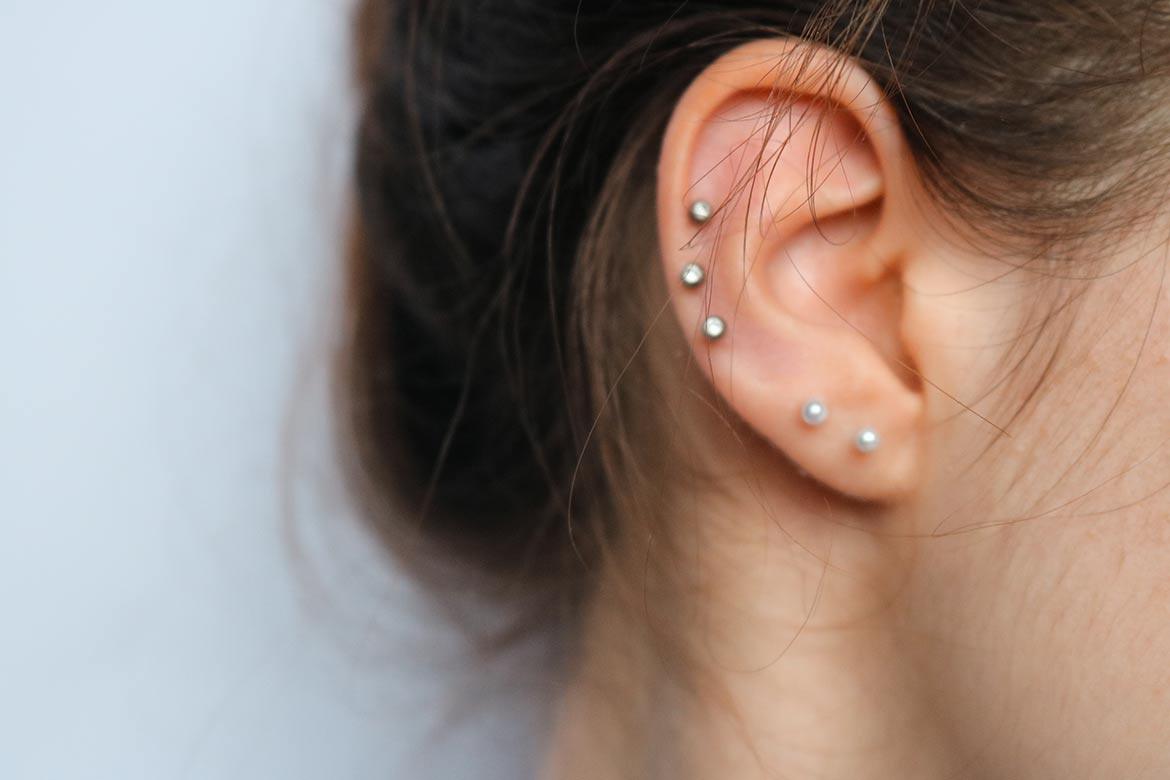
Ear piercing at the pharmacy: Safety, affordability, and comfort
The practice of piercing earlobes to insert earrings is a widespread custom in our society, often done from the early years of children's lives. However, the Italian Society of Dermatology has recently issued a call to raise awareness about the importance of preventing possible problems and infections resulting from piercings and punctures.
What the law says
According to Italian law, it is allowed to pierce earlobes before the age of 14 with parental consent, while tattoos and piercings are prohibited precisely to prevent complications. Regardless of age, it is essential that the procedure is carried out safely and in compliance with strict hygiene rules, especially in children. In fact, after piercing, infections, allergies, and scars may occur that could be avoided with proper precautions, also for future piercings in adulthood.
Anyone performing earlobe piercing must be certified for health practices and ensure the use of sterile or single-use equipment, as prescribed by current laws, in order to prevent contamination and protect the health of the client and operators.
After piercing, it is advisable to keep the earrings in for at least 6 weeks, even during the night, to avoid the hole in the lobe closing. It is also important to wash the earrings daily with water and mild soap and apply a thin layer of petroleum jelly around the holes to promote faster healing.
How to prevent
To prevent the formation of keloids, thickened scars that can occur around the piercing site, it is advisable to avoid piercing the edge of the ears, especially in children predisposed, and to promptly consult a skin specialist if keloid symptoms appear. The latter may recommend specific treatments such as the use of modern light beam devices to optimize results.
Finally, it is important to prevent, recognize, and treat any infections or allergies. In case of symptoms such as redness, swelling, or unusual discharge, it is advisable to consult a doctor to assess the need for appropriate treatment, which may include the use of antibiotic ointments or cortisone creams.
During pregnancy and for people prone to keloid formation, piercing the earlobes is discouraged to avoid possible complications that could pose risks to the health of the unborn child or worsen scarring conditions.
Earlobe piercing at the pharmacy
If you want to have your ears pierced, the pharmacy could be your best choice. An experienced and qualified operator will be able to perform the piercing safely and reliably, regardless of the number of holes desired or the ear on which they will be made.
The practice of ear piercing at the pharmacy is practical and safe, as it is carried out in strict compliance with the necessary hygiene standards. However, it is important to understand that not all piercing methods are the same and that they can vary in technique and materials used.
It is essential to know the piercing method used by the pharmacist and choose the one that best suits your needs and preferences. Whether you are an adult or a child, ensuring maximum comfort, speed, and sterility during the procedure is fundamental.
Relying on ear piercing at the pharmacy offers numerous advantages. First of all, the convenience of having this service available directly where you buy everyday products and medicines. Secondly, the possibility of receiving expert advice from qualified staff on the best piercing technique and the materials most suitable for your needs.
In short, if you are considering having your ears pierced, turning to the pharmacy could be a convenient and safe choice. Just make sure to properly inform yourself about the piercing method used and communicate your preferences to the pharmacist to ensure a positive and satisfactory experience.