Discovering Platinum: curiosities
Our journey to discover platinum continues today with some more curiosities about its fascinating history!
Its name and its use
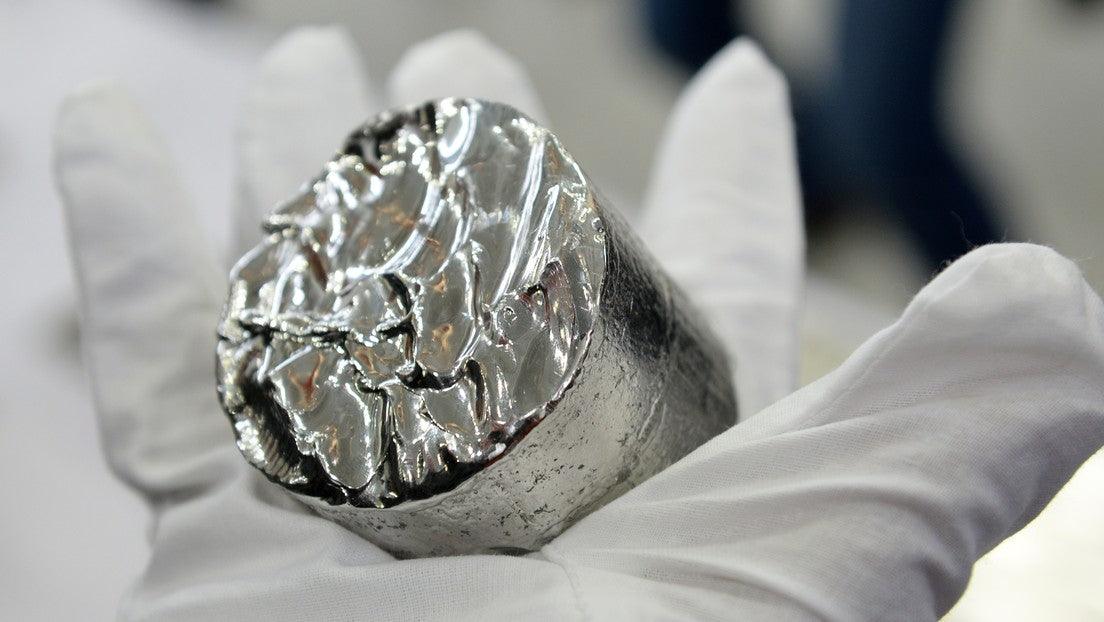
The name "platinum" comes from the Spanish "platina," meaning "little silver," because this precious metal was often mistaken for the better-known (and less valuable!) silver. Its chemical symbol is Pt and its atomic number is 78. It is classified among the transition elements and is the most important in the group of platinum-group metals, which includes elements used in alloys since ancient Greek times!
Platinum is a perfect metal for jewellery. Rings, solitaire stones, wedding bands... but also watches and timepieces of the highest class.
What makes it so special?
Besides its millennial history, platinum is a unique metal also because of its extreme rarity! In fact, about 130 tonnes are mined worldwide each year, compared to 3,330 tonnes of gold.
Today, most platinum comes from South Africa, but at the time of its discovery, the largest platinum extraction took place in Colombia, as well as in Russia and Canada.

A few small technical details
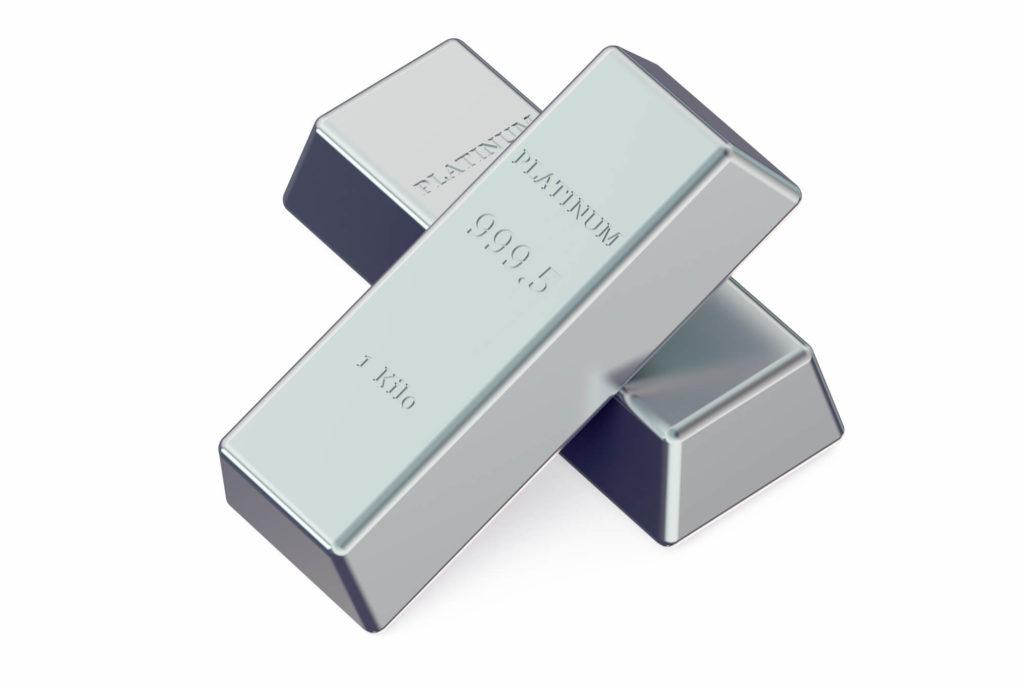
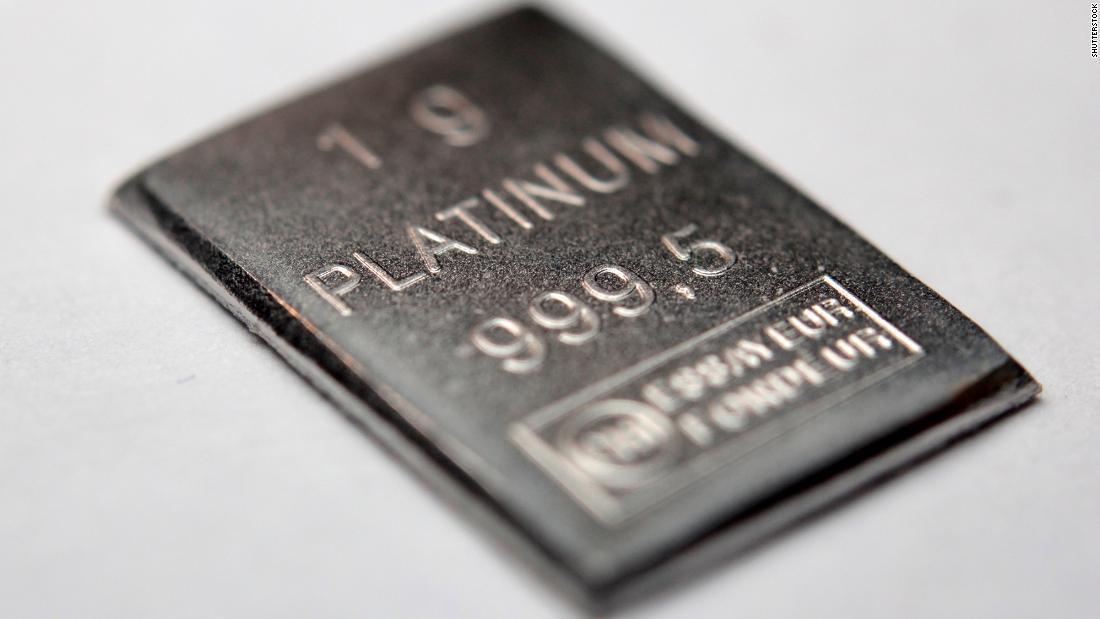
Moreover, it is a pure and noble metal, one of the few that can also be used in high-content alloys. Currently, for platinum, the 950-thousandths alloy is used, about 23 carats. This means that every object made of platinum contains 950 parts of pure metal and 50 parts of other metals in the alloy. Gold, much more famous, instead has a "mere" 750-thousandths fineness.
Another beautiful feature is that it is impervious to acids! For this reason, since 1900, it has also been used to make kettles for sulphuric acid, as well as in jewellery.
Allergy? Not at all!
Platinum is also a perfect metal for those with allergies! In fact, it is well tolerated by all skin types and for this reason it is often used in the medical field. The famous heart pacemakers are made precisely of platinum!
A few drawbacks...
Because of its rarity and special characteristics, platinum is a particularly costly metal.
Just consider that to obtain only 30 grams of pure metal, at least 10 tonnes of ore are needed. In short: its rarity makes it an extremely precious metal, especially when it comes to watchmaking!
Platinum Wrist
Regarding watches, it is interesting to know that the moulding phase of a platinum case requires a special adjustment of the press, careful cleaning of the technical equipment, but also causes greater wear of the tools used. In short: producing a platinum watch requires more work, but the result is truly breathtaking! Watchmakers worldwide indeed produce platinum watches only in limited editions: elegant, refined and stylish, often paired with movements of the highest value.
The therapeutic properties
Now we come to the juiciest curiosities for lovers of the “powers” of metals and gems. Well, platinum has a very high therapeutic capacity. When combined with gold and cobalt, this metal seems to have important anti-cancer properties. Moreover, it appears to be an effective remedy for problems related to the female cycle; it also helps against headaches and nervous spasms.
Magic?
Magic? Perhaps. It seems that platinum has the power to calm the sense of superiority of an arrogant person, as well as states of anxiety and depression. When placed near the nerve endings at the base of the neck, its power would be to soothe and balance personality traits.
In short: it is a metal that helps our body, moreover enhancing the qualities of some precious stones, such as diamond and sapphire.
A beautiful platinum necklace with diamonds, then, would be a boon for everyone!
Discovering Platinum: curiosities
In short: platinum is truly a metal to rediscover, for its beauty, versatility and all its properties!
Its story does not end here: another intriguing chapter awaits us in discovering its chemical characteristics!