Discovering Platinum: How It Is Made
Our journey to discover platinum is proving to be truly fascinating! If you missed the first two episodes, you can catch up on the history of platinum and some curiosities about it here and here. Today, however, we will look at platinum from the inside and find out what this precious and special metal is made of!
Discovering platinum: what it is made of
Its name says it all
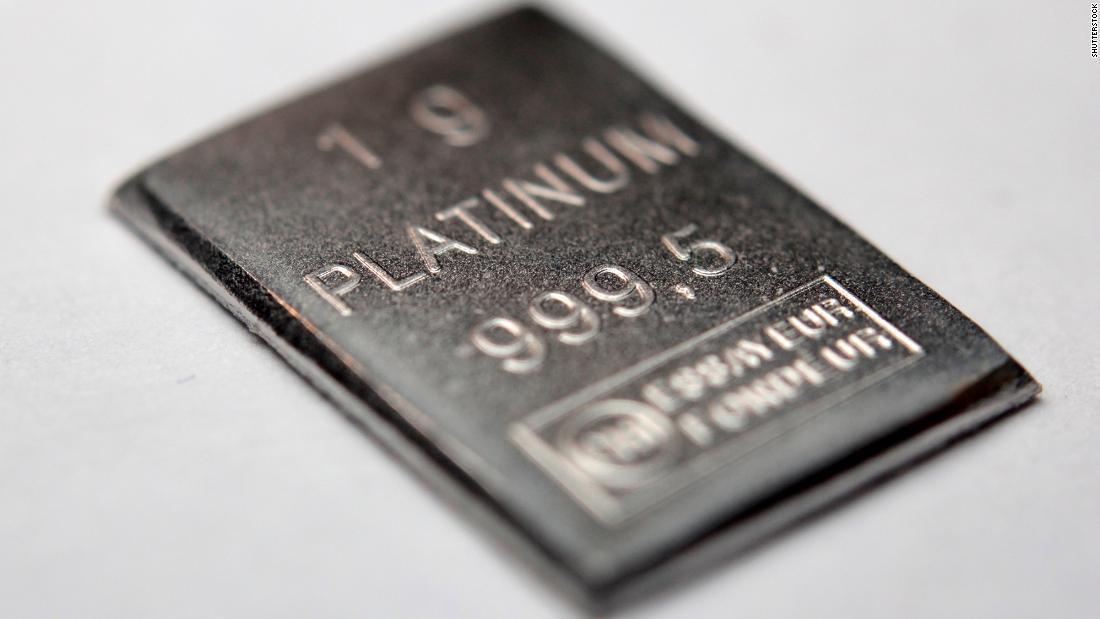
The name "platinum" comes from the Spanish "platina," meaning "little silver," because this precious metal was often mistaken for the better-known (and less valuable!) silver. Its chemical symbol is Pt and its atomic number is 78. It is classified among the transition elements and is the most important in the group of platinum-group metals, which includes elements used in alloys since ancient Greek times!
Where is it found?
The world’s largest producers of platinum are South Africa, Russia, Canada, Zimbabwe, and the United States, although its history places it in Latin America.
Chemical and physical characteristics
With a white-grey colour, platinum is malleable, ductile, and resistant to corrosion. It is found both in its native state and within some nickel and copper minerals.
It is used in jewellery, but also in the making of laboratory tools, electrical contacts, electrodes for spark plugs, thermoresistances, and thermocouples for temperature measurement. It is also used in dentistry, in car anti-pollution devices, and in catalysts for the chemical industry. And, let us not forget, it is a fundamental material for so-called “pace-makers.”

Gold or platinum?
Its alchemical symbol is obtained by combining the symbols of gold and silver.
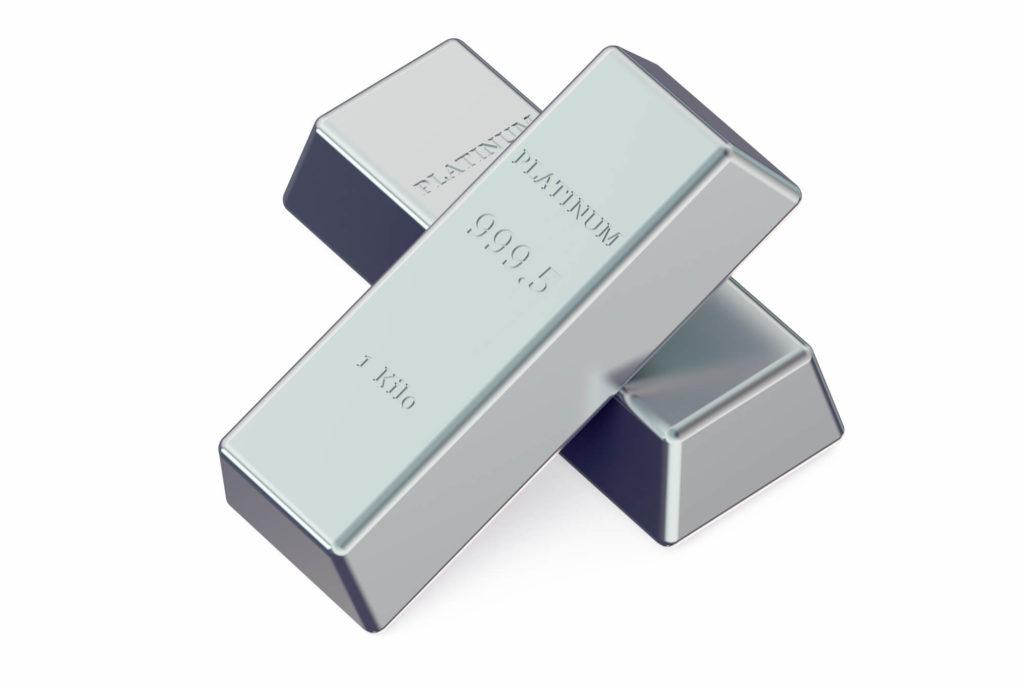
Its alloy, which determines its “preciousness” and purity, is 950 parts per thousand. Gold alloys, on the other hand, average 750 parts per thousand. Its specific weight also surpasses gold: 1 cubic centimetre of platinum weighs about 21 grams, while the same amount of gold weighs 17 grams. In short: platinum is decidedly precious compared to its much better-known counterpart.
Gold and silver?
Platinum does not oxidise when left in the air (which silver, its similar metal, does!), but it can be corroded by cyanides, halogens, sulphur, and caustic alkalis. It dissolves only in a mixture of hydrochloric and nitric acid, called “aqua regia.”
In nature, platinum is a mixture of five stable isotopes and one radioactive, 190Pt, whose half-life is about 650 million years. It is one of the isotopes still present on the Earth’s crust for centuries and centuries!
Discovering platinum: what it is made of
In short: platinum, rare and little known, is actually a metal well worth rediscovering, precious and of inestimable value, always too underrated in history and jewellery. But I am sure that, with the help of the experts from the Ferro family, we will soon see plenty of platinum circulating on the streets of our country! But that is another chapter...
In the meantime, come visit us at Ferro Jewels, at 41 Matteotti Street in Este. Discover the online shop www.ferrogioielli.com and contact us for a personalised consultation! Book your consultation with our experts by writing to info@ferrogioielli.com or by calling +39 0429 2822 and +39 331 1402059.